Marathon spectator guide: support a runner without chasing the course
Supporting a marathon runner is easier with a small, achievable plan. Start with current public-access guidance, choose a manageable viewing point and make the finish reunion more precise than “I will find you.” A spectator’s job is encouragement and coordination, not entering runner-only areas or turning every possible sighting into a transport deadline. This guide helps companions organize their own day while respecting race operations.
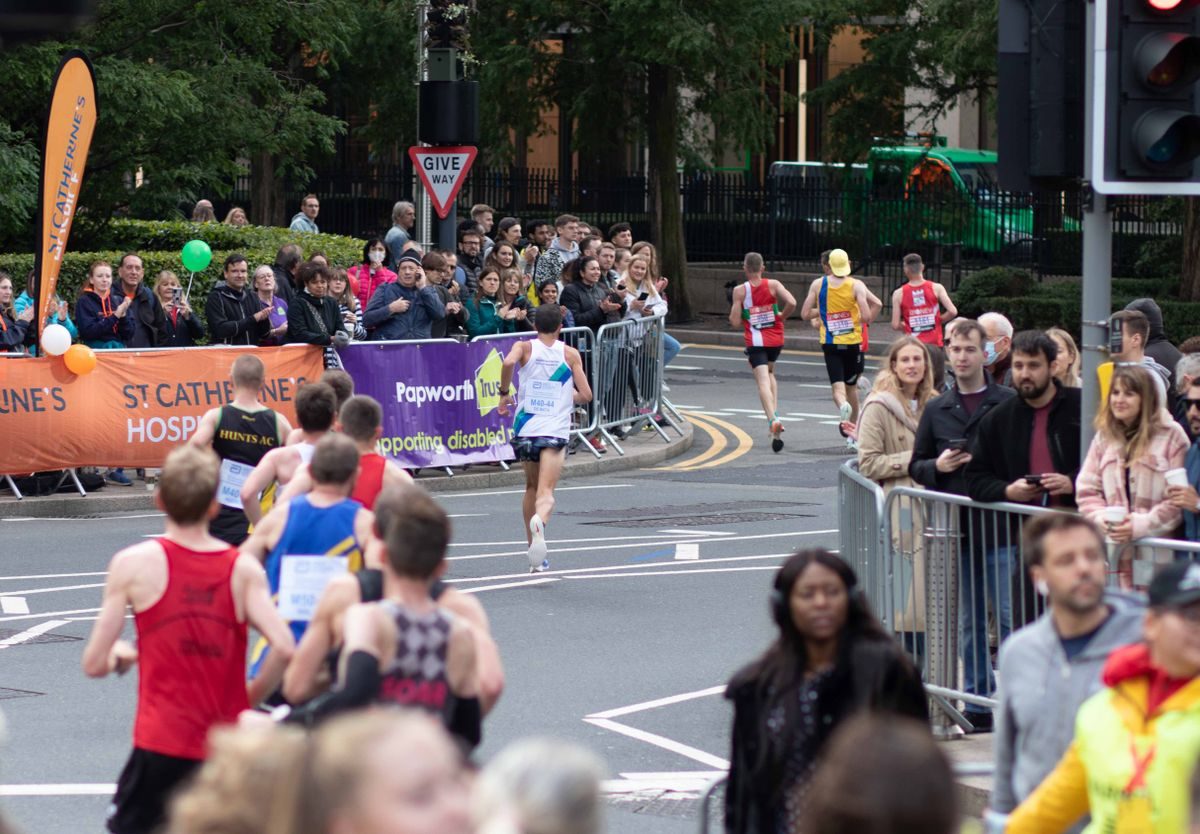
Photo: Yusuf Miah · Photo license. Date-independent reference photograph for planning; objects and people are illustrative and do not imply endorsement.
Your preparation checklist
Tick items as you prepare. Checkmarks are saved on this device when browser storage is available; they do not reserve or register anything.
Plan your next steps
- Ask the runner what support would actually be useful and assign specific items to named people.
- Choose legal public viewing points from the current course and access guidance.
- Estimate travel between points using walking routes around closures, not only the distance on the course.
- Agree on a no-sighting rule and a finish reunion with a backup.
- Review the final plan with every companion, including anyone who may lose phone access.
Choose one useful sighting before adding more
A single clear place can provide reliable encouragement without requiring several rushed journeys. Check which side of the course you can reach legally and how you will leave. Think about toilets, shelter, seating and the needs of children or companions with access requirements. Do not choose a location only because it is famous in race photographs; the public access route matters more than the image.
Make recognition easier for both sides
Share a clothing description and agree on a simple sign or visible item that the runner can recognize without searching. Avoid an arrangement that requires a runner to stop abruptly, change direction or move through other participants. Keep expectations light: a wave can be enough. A runner focused on the course may miss even a well-planned supporter position, so do not make that a failure.
Use tracking as context
When an official tracking service is offered, set it up before leaving accommodation and learn what each update actually represents. Updates can arrive after a runner passes a point, and a predicted arrival can change. Keep a broad sighting range rather than one exact minute. Avoid repeatedly moving to chase a changing dot; that can make it harder for the runner to know where you are.
Respect boundaries and keep the course clear
Follow staff directions, barriers and the organizer’s public-access rules. Cross only where and when event operations allow it. Do not enter controlled runner areas to deliver an item, run alongside a participant or obstruct an aid station for a photograph. If you are carrying something the runner needs, agree on an organizer-permitted plan in advance instead of inventing a handoff at a crowded point.
Write the no-sighting rule
Decide what the group does if a runner passes unnoticed: remain briefly within the agreed range, then continue to the next planned location or the reunion point. Avoid backtracking against pedestrian flow or repeatedly calling the runner. Keep a shared message simple, such as “heading to our meeting address.” The plan should still work when nobody gets the perfect photo.
Meet beyond the finish operation
Choose a public address or unmistakable fixed landmark beyond the controlled exit, not the finish banner itself. State the street side, the backup location and how long to wait before switching. Give the runner enough time to move through the exit process and any approved baggage collection. Keep useful items such as dry clothing with a named person so they do not accidentally leave with someone else.
Plan the supporter’s day independently
Each companion should know how to return to accommodation, access a room and contact the group. Account for breaks and a slower walking pace where needed. Let some people skip a viewing point without losing the reunion plan. A calm, self-sufficient support group gives the runner fewer decisions after finishing and makes the weekend more enjoyable for everyone involved.
Before you finish planning
- Every viewing point has legal public access.
- My group knows the no-sighting rule.
- The reunion is beyond controlled finish operations.
- Everyone can return to accommodation independently.
Common questions
Should I try to see my runner at several points?
Only if the current access routes and transport make it practical. One dependable viewing point and a clear reunion are often easier to execute.
Can I enter the start or finish area with the runner?
Do not assume access. Follow the current spectator rules; many operational areas require participant credentials or other authorization.
What if the tracker says finished but the runner is absent?
Allow time for the controlled exit and the agreed meeting route. Follow your waiting and backup rules; use event staff for genuine concerns.