Marathon Weather Alerts: Read the Organizer’s Operating Instructions
A forecast and a race alert are different kinds of information. Use the forecast to prepare, and follow the organizer’s current instructions when conditions change the event.
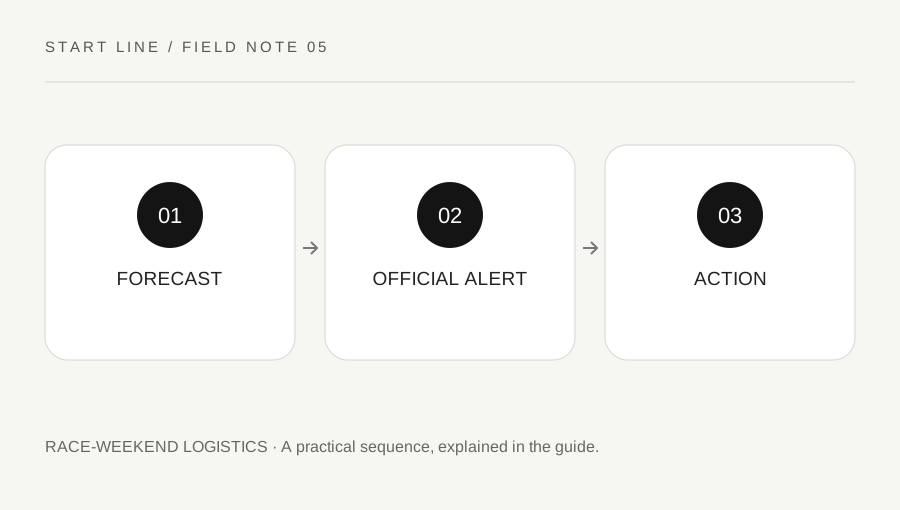
Original explanatory diagram. Examples illustrate a method or decision; they are not claims of personal testing.
Check the official communication channels
Find where the organizer publishes race-week updates and how on-course alerts are communicated. Chicago's rules-and-safety information describes its Event Alert System and the channels used around the event. Read the system for the race you entered rather than assuming every marathon uses identical colors, meanings or procedures.
Save the official page and enable relevant participant notices when offered. A reposted image without an event year or timestamp can be misleading. Keep the date and source with any important instruction shared to companions.
Use a reliable local forecast for the actual race location, including the start and finish if they differ. Weather at accommodation or an airport may not represent the course. This page does not predict race conditions or provide an individualized medical plan; it organizes the official information needed for operational decisions.
Separate preparation from permission to continue
Permitted clothing, bag arrangements and transport may need adjustment when conditions change. Check the current item rules before adding equipment, and leave room in the plan for delays. A forecast can inform those preparations without guaranteeing that the event will run as originally scheduled.
On race day, follow staff, medical and official alert instructions. A personal goal or a favorable forecast screenshot does not override a course closure, stop instruction or request to seek assistance. Do not interpret an alert through a remembered rule from another race.
For a worked example, a runner planned one departure time from the hotel but receives an official operational change. They rebuild transport and start tasks from that notice and confirm the new sequence, instead of preserving the original itinerary because it was printed several weeks earlier.
Keep the group informed without spreading rumors
Give companions the official source and the time of the instruction. Distinguish confirmed changes from unanswered questions about transport, tracking or reunion. A delayed message can otherwise look like a newer decision and send the group toward the wrong place.
If a spectator route changes, check public access rather than assuming a closed course segment can be crossed. The runner's and companion's instructions may differ, so preserve who each notice applies to. A volunteer directing spectators is not necessarily giving a start instruction to participants.
If someone becomes unwell or has a medical concern, use appropriate medical or emergency help. Do not rely on this logistics article, a group chat or a tracking estimate to assess the person's condition. The event's qualified teams and emergency services handle needs that a timetable cannot resolve.
Reconfirm the finish and onward journey
A delay or course change can affect gear collection, reunion and later transport. Recheck those parts after the organizer confirms the operating decision. Do not assume a shortened course or altered finish uses every original access point.
Keep a fallback that does not require an exact finish minute or immediate travel. If the event is canceled or stopped, follow its official next steps for participants rather than improvising a route along a closed course. Questions about entry treatment belong to the organizer's policy process.
Finish with a short review of which notice channels worked and which assumption caused confusion. A useful weather plan is not a prediction of the day. It provides reliable sources, clear labels and flexible logistics so that the actual official instruction can replace an outdated personal plan quickly and without a debate about what an old forecast seemed to promise.
A practical checklist
Choices are saved in this browser. Reset them here or clear this site’s browser storage.
Questions that come up
Can a forecast override a course-stop instruction?
No. Follow the organizer and on-site staff. A forecast app does not manage the race’s actual conditions or operations.
Do all races use the same alert colors?
Do not assume so. Read the current event’s system, meanings and response instructions.
Can this page decide whether I should continue when unwell?
No. Seek appropriate medical assistance and follow qualified event personnel. This is a logistics guide, not an individual health assessment.
References & scope
Background references checked on 18 October 2026. Worked examples and diagrams are original teaching material.